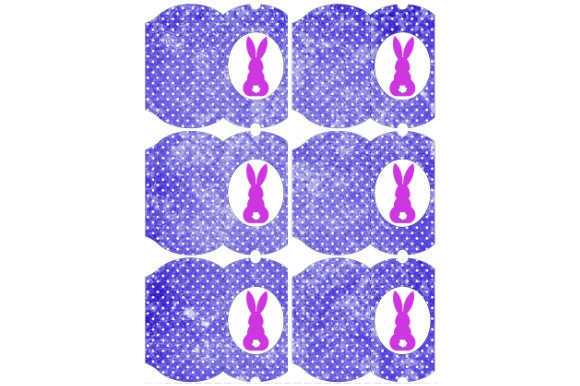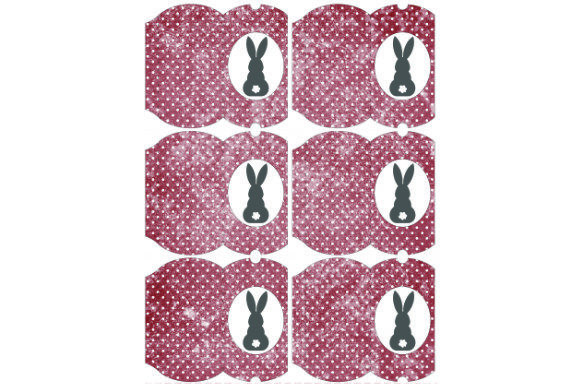
Pillow Boxes Bunny C.4: A Designer's Practical Review
As a designer who spends countless hours evaluating digital assets for real-world application, I approach every new file with a critical eye. It is not enough for a design to look good on a screen; it must translate seamlessly into thread, fabric, and finished products that customers will hold in their hands. Today, I am putting Pillow Boxes Bunny C.4. through the paces. While this asset is marketed as a set of six tiny printable Pillow Boxes within the Gift Boxes category, its potential extends far beyond simple paper crafts when viewed through the lens of a creative entrepreneur or embroidery enthusiast looking for inspiration and structural motifs.
The First Impression: Mood and Visual Personality
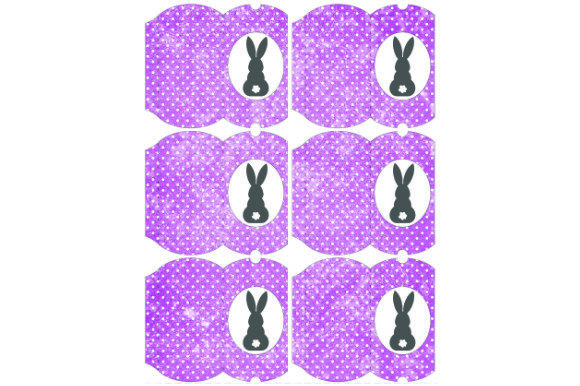
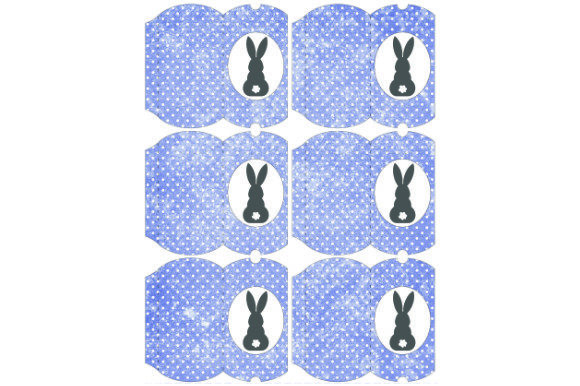
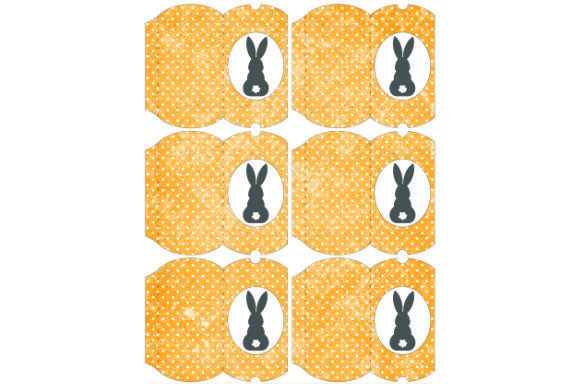
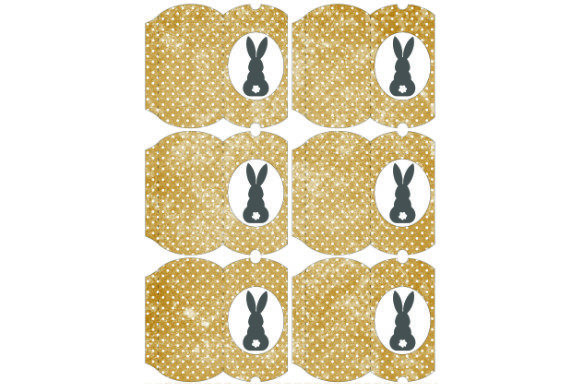
Opening the preview for Pillow Boxes Bunny C.4., the immediate sensation is one of whimsy and delicate charm. The bunny motif is rendered with a softness that suggests it would pair beautifully with pastel thread colors or crisp white-on-white embroidery. In the context of digital product sellers and crafters, this design screams "celebration." It carries a visual weight that is light yet distinct, making it an ideal candidate for projects where subtlety is key. The layout is compact, which is promising for small-scale applications, but it requires careful consideration regarding how the 3D elements of the box shape interact with flat stitching techniques.
For those of us running a craft business or managing an Etsy shop, the aesthetic appeal of Pillow Boxes Bunny C.4. is immediately marketable. It fits perfectly into niches like baby showers, bridal events, and springtime collections. However, the transition from a 3D SVG file intended for printing to a tactile machine embroidery design requires a shift in thinking. We are no longer just cutting shapes; we are building texture with fill stitch and definition with satin stitch.
Real-World Application: From File to Fabric
Let’s imagine a specific scenario: You are preparing a line of personalized gifts for an upcoming Easter boutique event. You decide to create custom embroidered tote bags or perhaps small pillow covers for nursery decor. How does Pillow Boxes Bunny C.4. perform here? If you were to adapt the bunny silhouette and the box structure into an embroidered patch, the result could be delightful. The clean lines of the bunny suggest it would handle well with a dense fill stitch, providing a solid background for more intricate details.
Consider using this design on a canvas tote bag design. The sturdy nature of canvas allows for higher stitch density without puckering, which is crucial when working with geometric shapes like boxes. Alternatively, for custom apparel such as a baby onesie or a sweatshirt, the scale becomes the primary concern. Because the original concept involves "tiny" boxes, scaling this up for a sweatshirt embroidery project might require significant manipulation to ensure the bunny doesn't lose its character or become too pixelated if the source resolution is low. Conversely, keeping it small for a cap or hat brim could yield a charming, understated logo effect, provided the hoop size is appropriate.
In a commercial setting, the versatility of Pillow Boxes Bunny C.4. allows for diverse product lines. You could use the motif to brand handmade product packaging, creating a cohesive look where the physical box matches the embroidered label on a tea towel or apron. This level of brand consistency builds customer trust and elevates the perceived value of your finished product. For the Etsy seller, offering a matching set—a printed favor box and an embroidered keepsake—creates a premium unboxing experience that stands out in a crowded marketplace.
Navigating Challenges: Where Caution is Required
Despite its charm, Pillow Boxes Bunny C.4. presents specific challenges that any experienced designer must address before committing to a production run. The most significant issue is the inherent complexity of translating a 3D object into 2D thread work. The illusion of depth in the box shape relies heavily on shading and perspective, which can be difficult to achieve with standard running stitch or basic fills.
If you attempt to embroider this on thin or stretchy fabric, such as jersey knit for a t-shirt, the tension required to define the box edges could cause the fabric to pucker or warp. Always test the design on scrap fabric first. Use a heavy-duty stabilizer to provide the necessary support, especially if you plan to use high-density fills to mimic the 3D look. Additionally, be wary of dark fabrics. The subtle details of the bunny and the box lines may get lost against a black background unless you use a bright underlay or high-contrast thread colors.
Another area requiring caution is the hoop size. Since the design is described as "tiny," fitting the entire composition into a small hoop while maintaining detail is tricky. If the design is too small, the machine may struggle to navigate tight corners, leading to thread breaks or uneven stitching. Inspect the embroidery file closely for any extremely fine lines that might disappear once stitched. For holiday embroidery projects where speed is essential, a design that takes too long to stitch due to excessive detail can impact your turnaround time and profitability.
Designer Notes for Professional Execution
To truly leverage Pillow Boxes Bunny C.4. in your workflow, follow these practical steps. First, always verify the licensing terms. Even if the file is purchased for personal use, selling items created with it may require a commercial license. Never assume; check the documentation to avoid legal issues with your commercial embroidery ventures.
Second, conduct a rigorous test run. Stitch a sample on the exact fabric you intend to use for the final product. Check the stitch density to ensure there are no gaps in the fill and that the satin stitches lie flat without tangling. Compare the result in both color and black-and-white mockups to see how the contrast holds up in different lighting conditions. This step is vital for maintaining professionalism and ensuring that the personalized gift meets client expectations.
Third, consider the end-use environment. If the item will be washed frequently, such as a kitchen towel or baby clothing, ensure the thread and stabilizer combination is durable. Avoid overly complex applique design techniques if the fabric is prone to shrinking or stretching, as this can distort the shape of the bunny and the box over time.
Final Verdict on Value and Versatility
Pillow Boxes Bunny C.4. offers a unique opportunity for designers to bridge the gap between digital printables and tactile textile art. While it originates as a 3D SVG for Gift Boxes, its aesthetic qualities make it a strong contender for embroidery project inspiration. It excels in creating a cohesive brand identity for small shops and adds a touch of whimsy to holiday and baby-themed collections.
However, success depends entirely on execution. By respecting the limitations of fabric, understanding the nuances of stitch density, and testing thoroughly, you can transform this digital asset into a high-quality, professional finished product. Whether you are crafting a single personalized gift or launching a new line of small shop product merchandise, Pillow Boxes Bunny C.4. has the potential to delight customers—if handled with the care and expertise it deserves.