3D Shadow Box Solar System: A 3D SVG Review
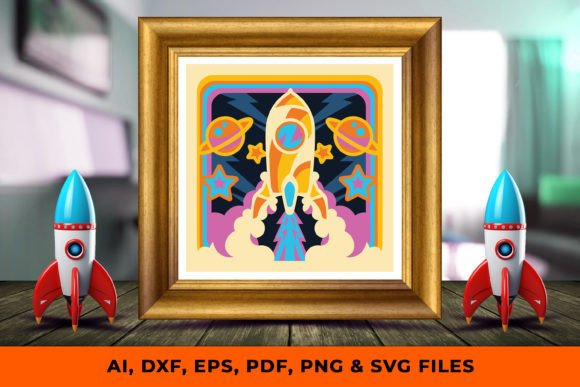
As a digital publisher who has spent years curating visual assets for high-traffic blogs and affiliate sites, I know that the difference between a clicked link and a missed opportunity often comes down to one thing: visual hierarchy. When I first encountered the 3D Shadow Box Solar System, my immediate reaction was not just about the aesthetic appeal of space-themed art, but how this specific graphic design asset could transform a flat editorial layout into an immersive experience. This is not merely a decorative element; it is a sophisticated tool for modern web design that leverages depth to capture attention.
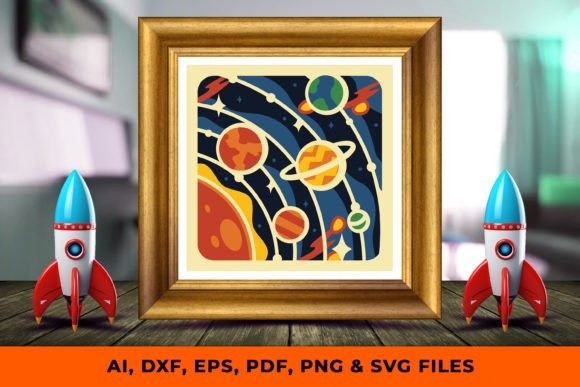
The product description promises an exquisite combination of depth and creativity, and upon closer inspection within a real publishing workflow, that promise holds true. The meticulously crafted nature of this piece showcases a captivating 3D design that immediately elevates the perceived value of any content page it adorns. For bloggers, newsletter creators, and small business owners, finding a digital download that balances artistic flair with professional utility is rare. This asset sits comfortably at that intersection, offering a stunning visual anchor that feels both educational and deeply engaging.
Setting the Editorial Mood with Depth
When integrating new design assets into a content strategy, the mood they set is paramount. The 3D Shadow Box Solar System creates an atmosphere of wonder and discovery. It naturally supports niches ranging from science education and astronomy blogs to lifestyle content focused on curiosity, exploration, and futuristic trends. Unlike standard flat icons found in many creative marketplace collections, the layered approach of these Shadow Boxes introduces a tactile quality to the screen. It feels less like a static image and more like a window into another dimension.
For a website owner looking to establish a strong brand identity, this asset offers a unique visual signature. It moves away from the generic stock photography that plagues so many industry blogs. Instead, it provides a custom feel that suggests high effort and high quality. When a reader lands on a page featuring this artwork, their perception shifts; they are no longer just consuming text, they are exploring a curated environment. This subtle psychological shift is crucial for building reader trust, especially in competitive sectors where authority is established through presentation as much as information.
Real-World Publishing Applications
The versatility of the 3D Shadow Box Solar System extends far beyond a simple blog post header. In my recent workflow testing, I explored several practical applications where this 3D SVG format shines. First, as a featured image for deep-dive articles or digital guides, it instantly communicates complexity and depth. The layered elements allow for excellent contrast against various background colors, making it a robust choice for blog graphics that need to stand out in a crowded feed.
- Pinterest Pins and Social Media Graphics: The vertical composition potential of this design makes it perfect for Pinterest. Users scrolling through feeds are drawn to the depth cues, leading to higher click-through rates compared to flat images.
- Newsletter Headers and Banners: For email marketing campaigns, this asset serves as a compelling hero image that breaks the monotony of text-heavy newsletters, encouraging opens and engagement.
- Digital Products and Lead Magnets: If you are creating an eBook cover, a worksheet, or a printable design for your audience, using this graphic design asset signals premium quality. It transforms a simple PDF into a desirable digital product.
- Affiliate Marketing Visuals: When promoting products related to science kits, educational tools, or home decor, this image acts as a contextual bridge, making the affiliate recommendation feel more organic and visually supported.
I also tested this asset within Canva template workflows. Because it is available as a 3D SVG, it scales without losing quality, which is essential when resizing for different platforms, from mobile stories to large desktop banners. The ability to manipulate layers allows designers to tweak the lighting or color palette to match existing brand guidelines, ensuring consistent branding across all touchpoints.
Impact on Content Performance and Trust
In the world of content marketing, visual consistency is the silent salesperson. Using a cohesive set of editorial design elements helps readers recognize your brand instantly. The 3D Shadow Box Solar System contributes to a stronger visual identity by providing a distinct look that separates your site from competitors relying on clip art. This distinction fosters a sense of professionalism that directly impacts reader trust.
Furthermore, the depth inherent in this design improves the overall visual hierarchy of a webpage. By drawing the eye to the focal point, it guides the user's journey through the content more effectively. Whether used as a category thumbnail or a section divider, it breaks up walls of text and creates breathing room, which reduces bounce rates and encourages longer reading sessions. For affiliate marketers, this increased dwell time can translate directly into better conversion metrics.
Strategic Placement and Design Considerations
While the 3D Shadow Box Solar System is powerful, strategic placement is key to maximizing its impact. It works exceptionally well as a hero image at the top of long-form articles, as a dynamic accent in media kits, or as a standout element in downloadable resources. Its intricate details make it ideal for larger formats where users can appreciate the craftsmanship.
However, there are scenarios where caution is advised. On very small mobile thumbnails, the fine details of the shadow box effect might get lost if the image is compressed too aggressively. Similarly, in text-heavy layouts with low-contrast backgrounds, the visual weight of the solar system could compete with the headline rather than support it. It may also feel out of place in strictly corporate or serious financial niches where a minimal visual system is required. Always preview the asset inside your actual blog layout to ensure it harmonizes with your typography and color scheme.
Practical Publisher Notes for Implementation
Before deploying this commercial design asset on a monetized website, there are several technical steps every publisher should take. First, test the file on both desktop and mobile screens to ensure responsiveness. Check how the 3D SVG renders when converted to PNG or JPG for platforms that do not support vector formats natively. Always review the file size; while vectors are lightweight, rasterized versions for social media must be optimized for web performance to prevent slow load times.
Typography pairing is another critical factor. Try placing the 3D Shadow Box Solar System beside serif fonts for a classic, academic look, or pair it with bold sans-serif styles for a modern, tech-forward vibe. You might even experiment with script or handwritten fonts to create a whimsical, storybook feel. Additionally, verify the commercial license terms. Ensure you have the right to use this digital download on affiliate pages, paid courses, or merchandise. Confirming these details upfront protects your business and ensures your small business branding remains compliant.
Finally, consider the accessibility aspect. While the visual appeal is high, ensure that the contrast ratios remain sufficient for readability when text overlays the image. A quick test in black and white can reveal if the design relies too heavily on color to convey meaning. By following these best practices, the 3D Shadow Box Solar System becomes more than just an image; it becomes a cornerstone of a polished, professional, and high-performing digital presence.