Winter Houses Shadow Box Paper Cut Review
As a designer who has spent years translating digital files into tangible stitched goods, I approach every new asset with a critical eye. The market is flooded with generic patterns, but finding a machine embroidery design that truly captures a specific mood without overwhelming the fabric is rare. When I first opened the file for Winter Houses Shadow Box Paper Cut, my initial reaction was one of genuine curiosity. This isn't just another snowflake or reindeer motif; it promises a scene. The description highlights an "enchanting winter home scene" and a "snowy backyard," which immediately suggests a narrative quality rather than a simple decorative element. For those of us running a craft business or curating an Etsy seller shop, narrative designs are often the ones that drive higher perceived value.
The Visual Impact of a 3D Winter Scene
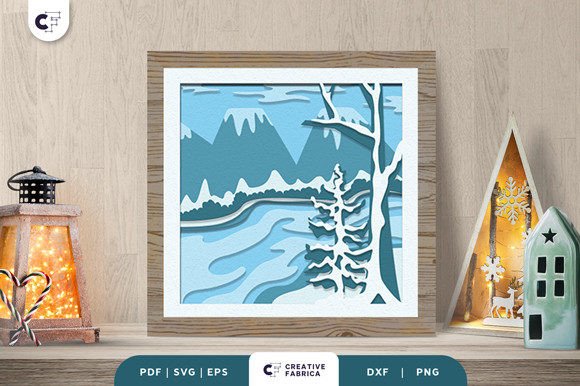
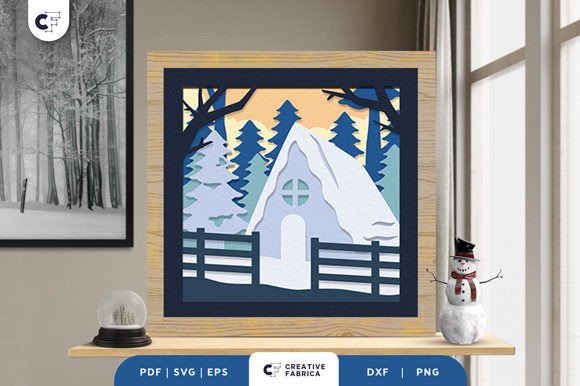
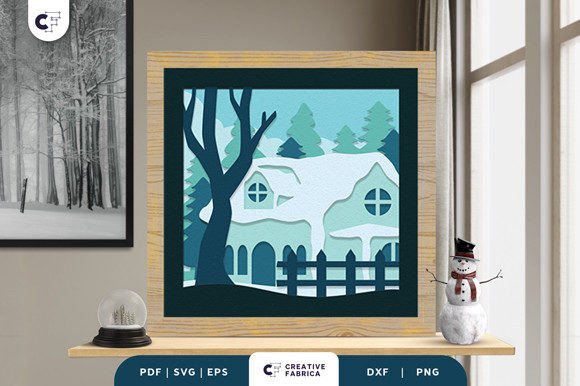
The defining characteristic of this digital embroidery file is its layering. While the title references a "Paper Cut" style, in the context of embroidery, this translates to a need for distinct separation between elements to achieve that depth. The 3D SVG nature implies that the design relies on overlapping shapes to create the illusion of distance. Visually, the layout feels balanced, avoiding the common pitfall of being too top-heavy or cluttered. The Winter theme is executed through architectural details of the houses and the surrounding landscape, which offers a cozy, nostalgic feel perfect for the holiday season.
When I visualize this as a finished product, I am immediately thinking about texture. A flat fill stitch might kill the magic here. To truly honor the "Shadow Box" aesthetic, this design demands careful planning regarding thread elevation and potentially some applique design techniques if you want to mimic the crisp edges of paper cuts. The visual personality is warm yet crisp, making it an excellent candidate for holiday embroidery projects where customers are looking for something slightly more sophisticated than standard novelty prints.
Real-World Application: The Custom Tote Bag Scenario
To understand the practical utility of Winter Houses Shadow Box Paper Cut, let's walk through a real project scenario. Imagine I am preparing a line of limited-edition canvas tote bags for a local boutique. These aren't just grocery bags; they are statement pieces meant to be carried through snowy streets. I decide to use this design centered on the front panel.
The challenge with a complex scene like this on a bag is scale and durability. If I shrink the design too much to fit a small hoop, the delicate rooflines and window details will likely merge into a muddy blob. However, at a medium-to-large hoop size, the stitch density appears manageable. I would likely choose a natural off-white canvas to let the white and icy blue thread colors pop against the background. The running stitch outlines used for the house frames would need to be precise to maintain the definition. In this context, the design elevates a simple commodity into a premium personalized gift. Customers buying these for holiday markets would appreciate the depth and the story the image tells, feeling that the item is handcrafted with care rather than mass-produced.
Navigating Fabric and Placement Challenges
While the potential is high, experienced designers know that not all fabrics play nice with intricate scenes. Using Winter Houses Shadow Box Paper Cut requires caution when selecting your base material. On textured fabrics like heavy wool or thick fleece, the fine details of the windows and fences could get lost. Similarly, on stretchy materials like jersey knit for sweatshirt embroidery, the tension required for such a detailed fill could cause puckering if not managed correctly.
I strongly advise against using this design on very thin fabrics without a robust stabilizer. The weight of the stitching, especially if you are aiming for that 3D effect, can distort lightweight cottons or silks. Dark fabrics present another hurdle; while a white-on-black contrast looks striking in theory, achieving clean white coverage over black thread requires multiple layers of underlay, which increases the risk of stiffness. For items like embroidered patches or pillow covers, the stability of the backing fabric works in your favor, allowing the design to breathe. However, for custom apparel like caps, the curved surface might distort the straight lines of the architecture, so testing is non-negotiable.
Strategic Advice for Small Business Owners
If you are considering adding this to your catalog of design assets, there are several strategic steps to ensure success. First, always test the design on scrap fabric that matches your final production material. Check the stitch density closely; areas that look open on screen might be too dense when stitched, leading to thread breakage or fabric distortion. Second, review the color palette. Does the default scheme work for your brand? You may need to adjust the thread colors to match your seasonal collection.
For the Etsy seller or small shop product creator, presentation is key. Create a printable mockup showing the design on various items before you commit to stitching inventory. This helps you visualize how the Winter Houses Shadow Box Paper Cut scales on different products. Furthermore, confirm the licensing terms. Just because you have the file doesn't mean you can sell the digital download itself. Ensure you have the rights to sell finished items made from this pattern. If you plan to offer this as a commercial embroidery service, clarity on usage rights protects your business.
Final Thoughts on Design Viability
In conclusion, Winter Houses Shadow Box Paper Cut is a compelling addition to a designer's library, provided it is treated with the respect a detailed scene deserves. It excels in creating a focal point for handmade products that require a touch of whimsy and warmth. Whether you are making a baby embroidery blanket, a festive apron, or a unique tote bag design, the ability to convey depth sets this apart from flatter alternatives.
However, its success hinges on execution. Do not rush the process. Use proper stabilizers, choose the right hoop size, and test your settings. When done correctly, this embroidery project delivers a professional finish that builds customer trust and enhances your brand's reputation for quality. It is a design that rewards patience and technical skill, resulting in a finished product that feels less like a machine-made object and more like a piece of art brought to life by thread.